The idea
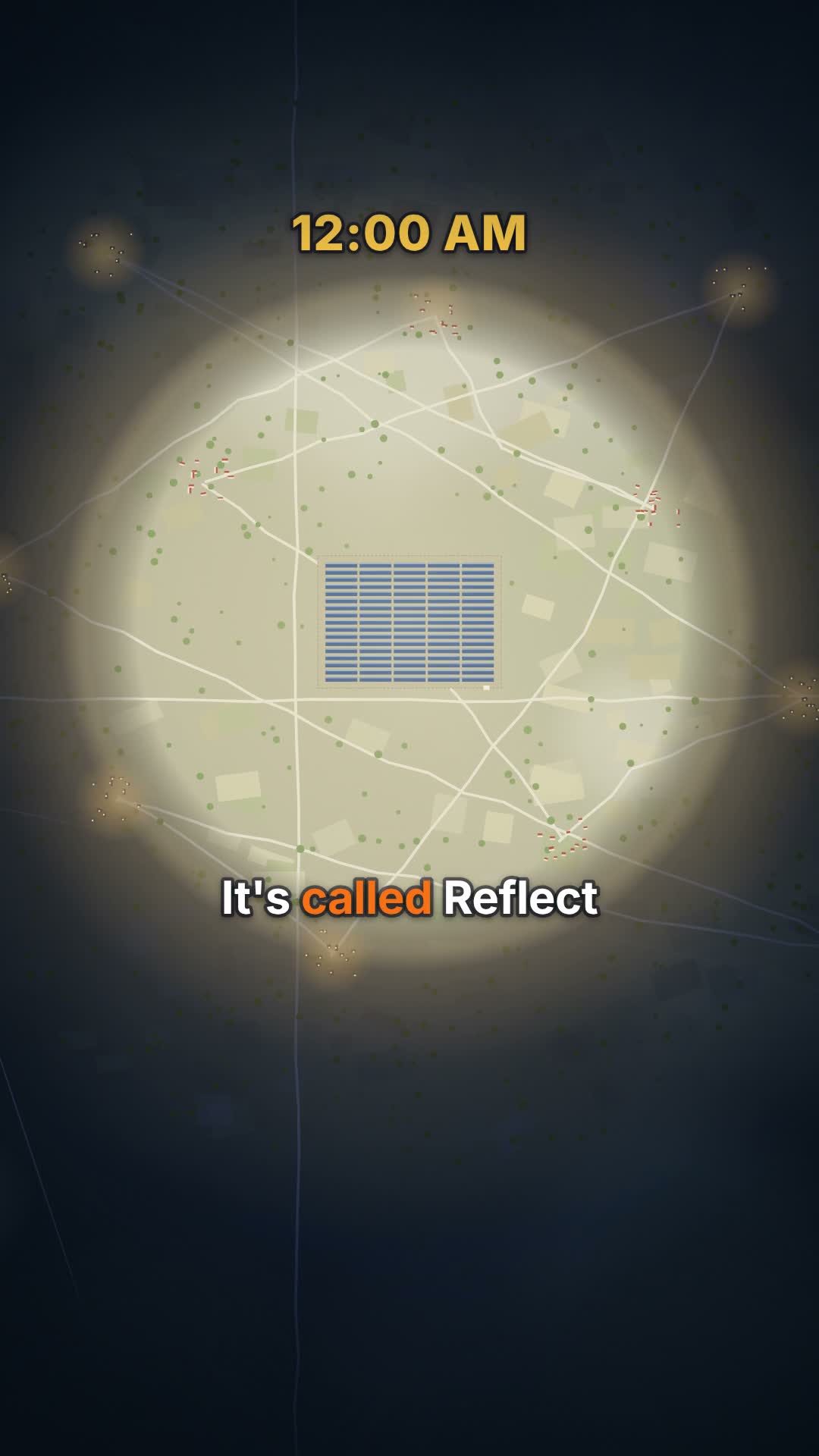
About 625 km up, a satellite unfolds a thin mirror roughly 18 m wide. At that height the sun is often still shining after it has set on the ground below. The satellite tilts the mirror and reflects that sunlight down onto one spot: a circle about 5 km wide.
The first test: Eärendil-1
The first satellite is called Eärendil-1. According to the company, the glow on the ground would be about as bright as a full moon, lasting about 5 minutes per target as the satellite passes over.
The plan
Reflect Orbital wants 50,000 mirror satellites by 2035. The pitch: extra hours of light for solar farms after sunset, lighting for disaster zones, and help for search and rescue at night.
The approval
On July 9, 2026 the US Federal Communications Commission licensed the test satellite (Space Bureau order DA 26-706). The FCC licenses the radio side of a satellite, and it said the reflected light and its effects fall outside its authority. In other words, nobody signed off on the light itself.
The pushback
The European Southern Observatory (ESO) called the idea “an existential threat” to optical astronomy. More than 1,800 public comments raised concerns, including for wildlife that depends on real darkness to feed, migrate and breed.
Timeline
The first mission has been moved to Q2 2027, riding along on a SpaceX Falcon 9 rideshare launch.